Choosing Beef

In this series of posts, I'll examine meat production in the U.S. - both how meat coming from conventional sources is produced and how our local farmers choose to raise their animals. First up... Beef!

LaPlatte River Angus Farm, Shelburne, VT. Photo by Ben Sarle.

Cooking with Fiddleheads and Ramps

Imagine a pesto that is silky and smooth, bright green, and bright and assertive, and you’ll have a sense of wild leek and pistachio pesto (pictured here on toasted Bread and Butter Farm bread with olive oil). It is hands-down my new favorite non-traditional pesto.

The Springtime Bloom… even in our cheese department

Along with enjoying the blooming crabapples and lilacs, we’re also enjoying a local “bloomy rind” cheese this month! Champlain Valley Creamery’s bloomy rind cheese, Organic Triple Cream, is the cheese of the month through our Cave to Co-op special.

Trying Kale, and Eating More

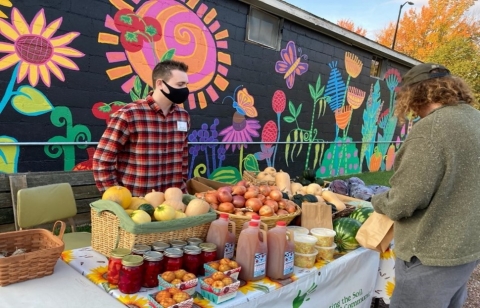
A pint-size farmer's market stand selling fresh, local kale (watch he doesn't rip you off)

Spring Green Cleaning

Spring is upon us, and with it, Earth Day, celebrated on April 22nd of each year. It's worth learning how to make non-toxic green household cleaners, so if you've been putting it off, read more to find out how to make a few simple recipes today.

Building a Local Butcher Shop

City Market has been in good supply of local pork for the past few years thanks primarily to one farm. Sugar Mountain Farm in West Topsham (down near Montpelier) is run by the Jeffries family and has been raising pork for the past 9 years.

The Jeffries family, Walter and Holly with their children Will, Ben and Hope.

Food, Simply

Bhutanese instructors Bhagawati and Devi demonstrate dal and kheer

Taking the Leap: Making Cheese at Does' Leap Farm

Does' Leap is every working-stiff’s back-to-the-land fantasy come true.

George and Kristin with the family. Photo by Gregory Lamourex.

From the Garden to the Kitchen with Red Wagon Plants

Julie Rubaud

Julie Rubaud, owner of Red Wagon Plants in Hinesburg, knows a thing or two about growing and using herbs and salad greens. Each spring and summer, her greenhouses are bursting to the seams with fresh herb and vegetable starts that she delivers daily to City Market.

Dying eggs without the mysterious fizzy tablet

If you’re looking to color eggs this spring without using those mysterious fizzy dye tablets made in China, look no further than your refrigerator.

Surprisingly, natural dyes using the colorful spices and vegetables we’ve all got in our kitchens already, can be just as vibrant and fun as the chemical dyes. Here’s how:

Tips for Using Natural Dyes

Syndicate content